 A year after President Obama’s executive order establishing paid sick leave for federal contractors, the DOL has finally published its final rule, Establishing Paid Sick Leave for Federal Contractors, at 29 CFR Part 13. For those of you not wanting to read all 466 pages of the Final Rule, I’ll try to summarize the
Minneapolis Amends New Sick & Safe Leave Ordinance
 As I wrote about earlier this May, the City of Minneapolis has enacted a sick and safe leave (SSL) ordinance, effective July 1, 2017. However, just last Friday, September 23, 2016, after tireless work by the Minneapolis Regional Chamber’s Workforce Fairness Coalition, the Minneapolis City Council adopted several revisions to the ordinance that are
St. Paul Follows Minneapolis, Enacting Sick and Safe Leave Ordinance, Effective July 1, 2017
 As predicted in my earlier post, on September 7, 2016, St. Paul joined Minneapolis in unanimously approving a sick and safe leave ordinance – with a very big difference. Unlike Minneapolis, the St. Paul ordinance mandates paid leave be provided by all sizes of employers. For purposes of the St. Paul Ordinance, an “employer”
EEOC Issues New Resource Documents Related to Equal Pay & Pregnancy Discrimination
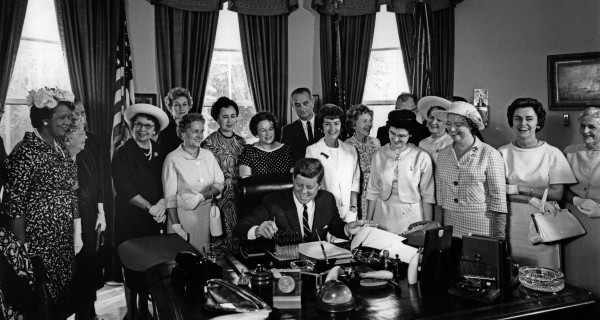 The EEOC issued new resource documents today in connection with its White House United State of Women Summit. The EEOC issued the following:
- Equal Pay and the EEOC’s Proposal to Collect Pay Data
- Legal Rights for Pregnant Workers under Federal Law
- Helping Patients Deal with Pregnancy-Related Conditions and Restrictions at Work
As with its earlier
Be Careful Not To Interfere With FMLA Leave – Mandatory Overtime Must Be Counted Towards FMLA Entitlement
 On May 13, 2016, in Hernandez v. Bridgestone Americas Tire Operations, the 8th Circuit Court of Appeals held that mandatory overtime hours may be deducted from an employee’s FMLA leave entitlement, but similarly, mandatory overtime hours must be included when calculating total FMLA leave entitlement. In other words, an employer can’t have its cake
Minneapolis Sick and Safe Time Ordinance Approved – Snow Days Covered

On May 27, 2016, the Minneapolis City Council unanimously approved the Minneapolis Sick and Safe Time Ordinance, Title 2, Chapter 40 – Workplace Regulations. The final Ordinance mandates unpaid sick and safe leave for employers with 1 to 5 employees, and paid sick and safe leave for employers with 6 or more employees. Notably, the final amendment includes not only the use for sick and safe care, but also school snow days.
Below is a quick overview of what the ordinance requires, who it applies to, what burdens employers have, and the implications of a violation. However, time will only tell how this plays out in reality.
What Does the Minneapolis Sick and Safe Time Ordinance Require?
The Ordinance, effective July 1, 2017, requires employers to provide employees with paid/unpaid sick and safe time. New employers (with 1 or more employees), will have 12 months to provide unpaid time off. After 12 months, new employers will be subject to the Ordinance in its totality (this 12 month delay will only be allowed for 5 years from the enactment).
Employees working in Minneapolis will accrue sick and safe time unpaid leave at the rate of 1 hour for every 30 worked, up to an annual cap of 48 hours (either calendar or fiscal year). Exempt (salaried) employees are deemed to work 40 hours each week unless their normal workweek is less than 40 hours. Employees must be allowed to use sick and safe time after 90 calendar days of employment. Employers must permit an employee to carry over at least 80 hours of accrued but unused sick and safe time into the following year.
Additionally, sick and safe leave time need not be paid this time out at termination. Employees must be able to use the leave in the same increment of time consistent with current payroll practices and existing employer policies (but no more than 4 hours). They must be compensated at the same hourly rate with the same benefits (except they are not entitled to lost tips or commissions and compensation is only required for the hours the employee was scheduled to work).
Who Is An “Employer” and “Employee” Under the Ordinance?
Does this Ordinance affect your business based in Eden Prairie or Alexandria? It depends on whether you are a covered employer, defined below. The Ordinance defines several terms with specificity, but here it is in a nutshell:
Continue Reading Minneapolis Sick and Safe Time Ordinance Approved – Snow Days Covered
Time Off For Military Caregiver Leave or Exigency Leave
 As Memorial Day weekend arrives, I wanted to take a minute to remember those who have sacrificed themselves so that we may have many of the freedoms we take for granted today, such as the ability to write whatever we want on the internet. In addition, I want to thank all the military spouses and families out there who have more strength than many of us know or can even appreciate. So, we remember, and thank you.
This leads me to blog today about time off for military service, and time off to care for servicemembers in Minnesota. Specifically, the FMLA was amended in 2008 to add two military family leave entitlements – (1) qualifying exigency leave; and (2) military caregiver leave. I’ll touch briefly on both below. As for my Friday Fun Fact…here it is, compliments of the History Channel: Memorial Day was originally known as Decoration Day in 1868 (to decorate the graves of fallen soldiers), and didn’t become an official federal holiday until 1971.
Who Is A “Covered Servicemember”?
A “covered servicemember” is someone who is: (1) a current member of the Armed Forces (including National Guard or Reserves); or (2) a veteran who was discharged or released under conditions other than dishonorable at any time during the 5 year period prior to the first date the eligible employee takes FMLA leave to care for the veteran.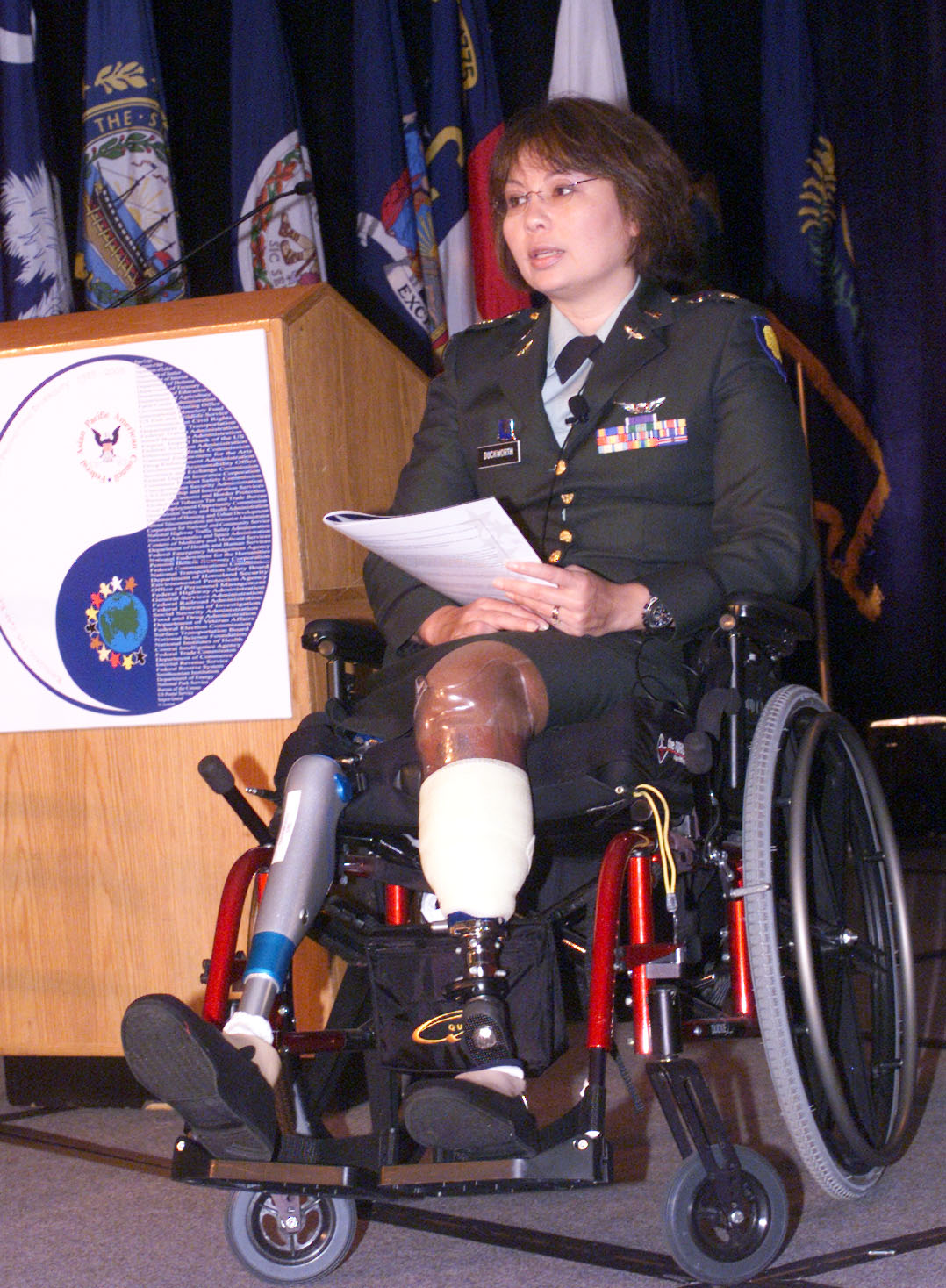
Who Is Eligible For Leave?
To be eligible for one of these FMLA military leaves, the employee must have worked for a covered employer (private company with 50 or more employees) for 12 months and at least 1,250 hours in the 12 month period prior to the leave. Further, that employee must work at a location where the covered employer has at least 50 or more employees within 75 miles of the employee’s worksite.
FMLA “Qualifying Exigency” Leave
The FMLA provides that when a spouse, parent, son or daughter who is a military member is deployed (or notified of impending deployment to a foreign country), an eligible employee may be entitled to an unpaid “qualifying exigency leave”.
Continue Reading Time Off For Military Caregiver Leave or Exigency Leave
EEOC to Employers: Maximum Leave Policies = ADA Violation
 The EEOC means business. Earlier this week, I wrote about the EEOC’s new American’s with Disabilities Act (ADA) guidance: Employer-Provided Leave and the American’s with Disabilities Act. In that blog, I noted what stuck out to me was the following guidance statements:
- Maximum leave policies may have to be modified as a reasonable accommodation.
Time Off for Civil Air Patrol
 Civil Air Patrol Lt. Col. Wayne Schulz, left, and Capt. John Barringer walk to a C-182 Cessna before departing Astoria, Ore., during Amalgam Dart 2009, June 18, 2009. Amalgam Dart is a field test of the Department of Defense’s ability to rapidly deploy an integrated air defense system in the United
EEOC Issues New Resource Document: Employer-Provided Leave and the American’s with Disabilities Act
 The U.S. Equal Employment Opportunity Commission (EEOC) issued a new resource document today titled: Employer-Provided Leave and the Americans with Disabilities Act. A few weeks ago, I wrote about the Department of Labor’s new guide: The Employer’s Guide to The Family and Medical Leave Act. The EEOC’s document, however, is general guidance for